
Quality, Compliance, and Security Requirements in Medical Electronics Production
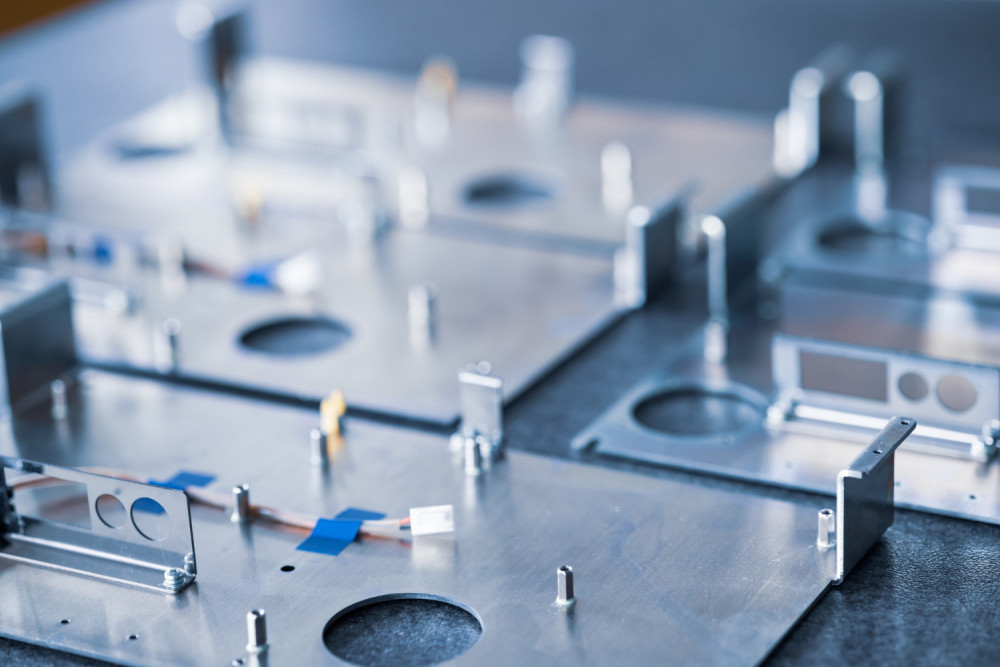
Medical EMS providers in Europe support a wide range of healthcare technologies, from patient monitoring systems and diagnostic devices to advanced surgical equipment. Medical devices require precise manufacturing, strict traceability, and validated production processes to ensure patients' safety as well as intended functionality and meet regulatory requirements.
This article outlines the key standards and practices for safe and compliant medical electronics production and identifies the essential criteria OEMs should evaluate when selecting a contract manufacturing partner.
Quality Management Systems (QMS)
Established European-based medical contract manufacturing providers, like Poland-based Assel, implement comprehensive quality management systems, strict assembly standards, and zero-defect practices to ensure medical electronics are safe, reliable, and fully compliant.
ISO 13485 Certification
ISO 13485 is the foundation of medical electronics production. It defines a quality management system specifically for medical devices, covering risk management, process control, and full traceability.
Assel EMS applies ISO 13485 to ensure validated, compliant production for EU and international markets, reducing certification and audit risks for clients.
IPC-A-610 Standards
PCB assemblies are evaluated under IPC-A-610 standards. Class 3, the strictest level, is applied for high-reliability applications like medical devices.
Assel ensures soldering and component placement meet Class 3 criteria, which helps eliminate defects that could impact device performance or patient safety.
Zero-Defect Approach
Assel implements Six Sigma and Lean Manufacturing to prevent errors at every production stage. Advanced inspection methods, including AOI, SPI, and X-ray testing, maintain the highest quality for medical electronics.
Regulatory Compliance
Meeting regulatory requirements is critical in medical electronics production. However, the responsibility for ensuring that a device complies with regulations such as EU MDR, FDA requirements, or environmental directives ultimately lies with the OEM. Based on the target markets and regulatory pathways, the OEM defines the product and manufacturing requirements that must be followed during production.
Experienced EMS providers, including Assel, support this process by implementing the specifications defined by the client and ensuring that manufacturing processes, documentation, and controls align with those requirements.
EU Medical Device Regulation (MDR 2017/745)
Compliance with MDR is essential for CE marking and access to the European market. OEMs must define the regulatory and documentation requirements necessary to meet MDR obligations.
Based on these specifications, manufacturing partners like Assel help implement controlled production processes, maintain required documentation, and support validation activities throughout manufacturing.
FDA Registration and QMSR
For medical electronics intended for the U.S. market, OEMs must comply with FDA registration and the Quality System Regulation (QMSR). These requirements cover risk management, supplier oversight, and validated production processes.
EMS providers support OEMs by ensuring that manufacturing operations follow the defined procedures and specifications required for regulatory compliance.
Hazardous Substance Management
Strict chemical controls help protect patients and the environment. Compliance with regulations such as REACH and RoHS is defined at the product level by the OEM.
Manufacturing partners can support this process by requesting certificates or declarations of conformity from component suppliers and providing this documentation to the client as part of the manufacturing service. The OEM ultimately confirms the compliance of the final product with applicable environmental directives.
Traceability and Documentation
In medical electronics production, traceability means the ability to track every component used in a device throughout the entire manufacturing lifecycle. This includes linking supplier batches, component lot numbers, and production data to the final product's serial number. Meanwhile, all production and quality records are systematically archived to maintain complete documentation history.
This level of control is essential in the medical industry. If a quality issue occurs, manufacturers must be able to quickly identify which devices are affected, where specific components were used, and when they were assembled. Effective traceability supports regulatory compliance, simplifies audits, and enables targeted recalls, minimising the need for large-scale product withdrawals.
At Assel, this process is supported by integrated ERP and MES systems that collect and manage production data in real time. These systems link materials, assembly steps, testing results, and operator records, strengthening process security and ensuring full production transparency for clients and regulators.
Process Safety and Validation
Top contract manufacturers, including Assel, validate all production equipment and processes, including soldering, reflow, and cleaning, using Installation, Operational, and Performance Qualifications (IQ/OQ/PQ). This ensures consistent, high-quality output.
Medical devices also undergo functional testing (AOI, SPI, ICT, X-ray) and are assembled in cleanrooms with sterilization-ready packaging, safeguarding device performance and patient safety.
Supply Chain and Risk Management
Supplier audits and counterfeit prevention are extremely important in medical device production. For that reason, companies like Assel source exclusively from verified distributors and OEMs. Certificates of conformance, chain-of-custody records, and serialization help prevent counterfeit components from entering production.
Leading manufacturers also monitor component availability continuously to reduce the risk of disruptions caused by obsolete or hard-to-source parts. In addition, FMEA analysis helps identify potential failure points early, enabling proactive mitigation before production risks escalate.
This level of supply chain control and transparency is one of the reasons why many OEMs are increasingly nearshoring medical electronics to Poland.
EMS Capabilities and Benefits for High-Quality, Compliant Production
Delivering high-quality medical electronics requires robust quality systems, regulatory compliance, and secure supply chains.
Assel EMS offers end-to-end services, from SMT/THT assembly and PCB fabrication to firmware programming, functional testing, and cleanroom packaging, supporting ISO 13485-certified processes, Class 3 IPC standards, and validated risk-based production. Partnering with a certified EMS like Assel helps OEMs ensure compliant, reliable, and secure devices while reducing production risks and enabling smooth market access in Poland and the EU.
To learn more about working with Assel, visit https://asselems.com/.
New ashby Jobs Section Launched!!
Vacancies updated hourly!!
Click here: ashby jobs
Share: